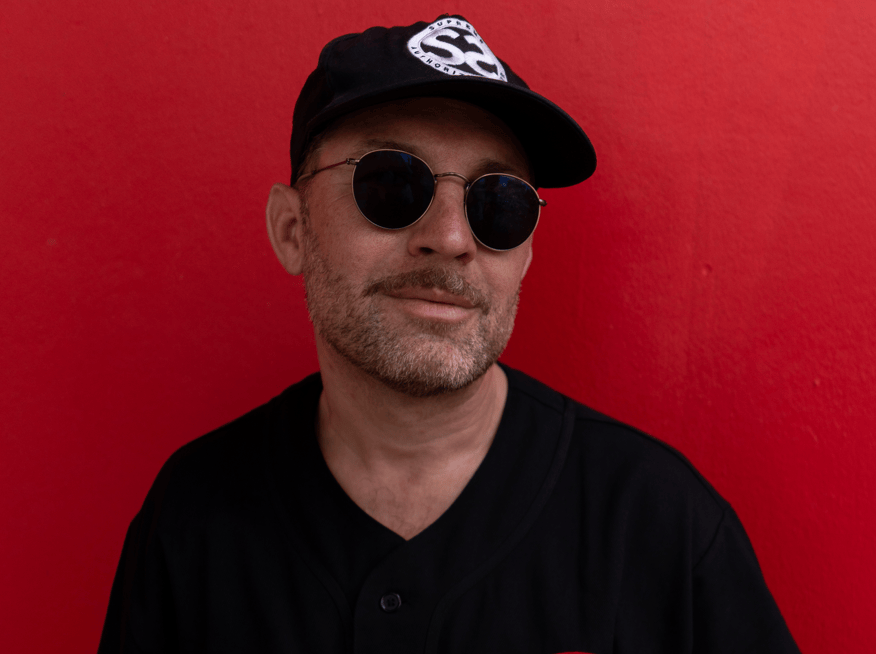
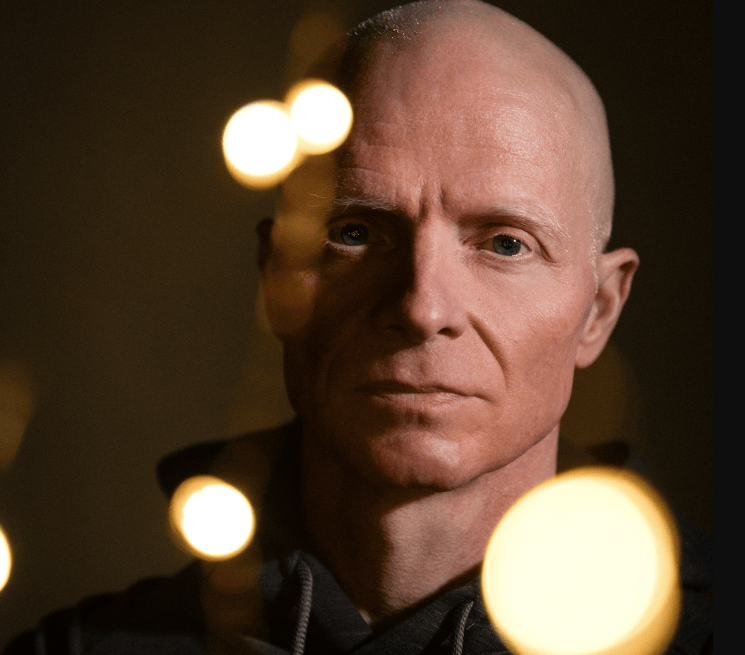

Something of a dancer and garden builder (entering the music business at 58) has found a group he can really get riled about. “Make us pay for it.” released on 19th October is a direct shot at the food industry, asking who the beneficiaries are when consumption is the business model and the ramifications of that go far beyond the supermarket checkout. For an artist who’s going to be drawing on political and social events, that’s absolutely the stuff. It’s all about the everyday purchase, the corporate interest and the health of the people who are actually paying the bill.
“Make us pay for it” is a very sharp verbal hook as an accusation (pay being used in both a financial and a consequence sense). That duality gives the song’s argument a clear focus. 50mething is all about sugar, salt and additives and the whole idea is that they’re part of a system which is designed to get us to consume them in excess. The criticism then moves on to private medical insurance and brings food and healthcare into the same uncomfortable space.
Protest, Consumption, Accountability
-PurpleMistress
These are big issues for a single point and the most compelling aspect of the argument is its focus on incentives. The question is what happens when the incentive to sell more takes precedence over the customer’s interests. Individual choices are embedded in a much wider commercial structure which is in turn shaped by what the companies actually produce, promote and make money from. That gives the anger some direction and some basis for existence.
There’s a personal history to this interest in health. 50mething’s January debut “Slowly through the night” was in response to a cancer diagnosis in 2024. This one takes it a step further in terms of the public interest, whilst still being very much rooted in that personal experience. With 70 songs already written and completed and the release of them to be a very gradual process, there’s a long way to go. The single in question is a clear statement of intent in that it’s about using songwriting to challenge practices that need challenging and to put the frustration of the ordinary consumer into words that are grounded in the very decisions that we all make every single day.